Real estate market trends
Commercial real estate continues to evolve as businesses adapt to new working models and changing market demands. Office spaces, retail hubs, and mixed-use developments are being redesigned to support flexibility, collaboration, and modern infrastructure. Investors are increasingly drawn to commercial properties due to their potential for stable income, long-term leases, and diversified portfolios.
One of the key drivers of growth is the rise of hybrid work environments, which has transformed how office spaces are designed and utilized. Modern commercial properties now focus on open layouts, shared workspaces, and integrated technology to enhance productivity. Retail spaces are also evolving, with experiential shopping and strategic locations becoming critical for attracting customers.
Additionally, logistics and industrial properties are seeing significant growth due to the expansion of e-commerce and global supply chains. Warehousing, distribution centers, and last-mile delivery hubs are in high demand, offering strong returns for investors. Understanding these trends allows investors to position themselves strategically in a rapidly changing market.
Key Insights:
Stable income through long-term commercial leases
Growing demand for flexible office spaces
Rise of mixed-use and experiential retail
Logistics and warehousing sector expansion
Technology-driven commercial developments
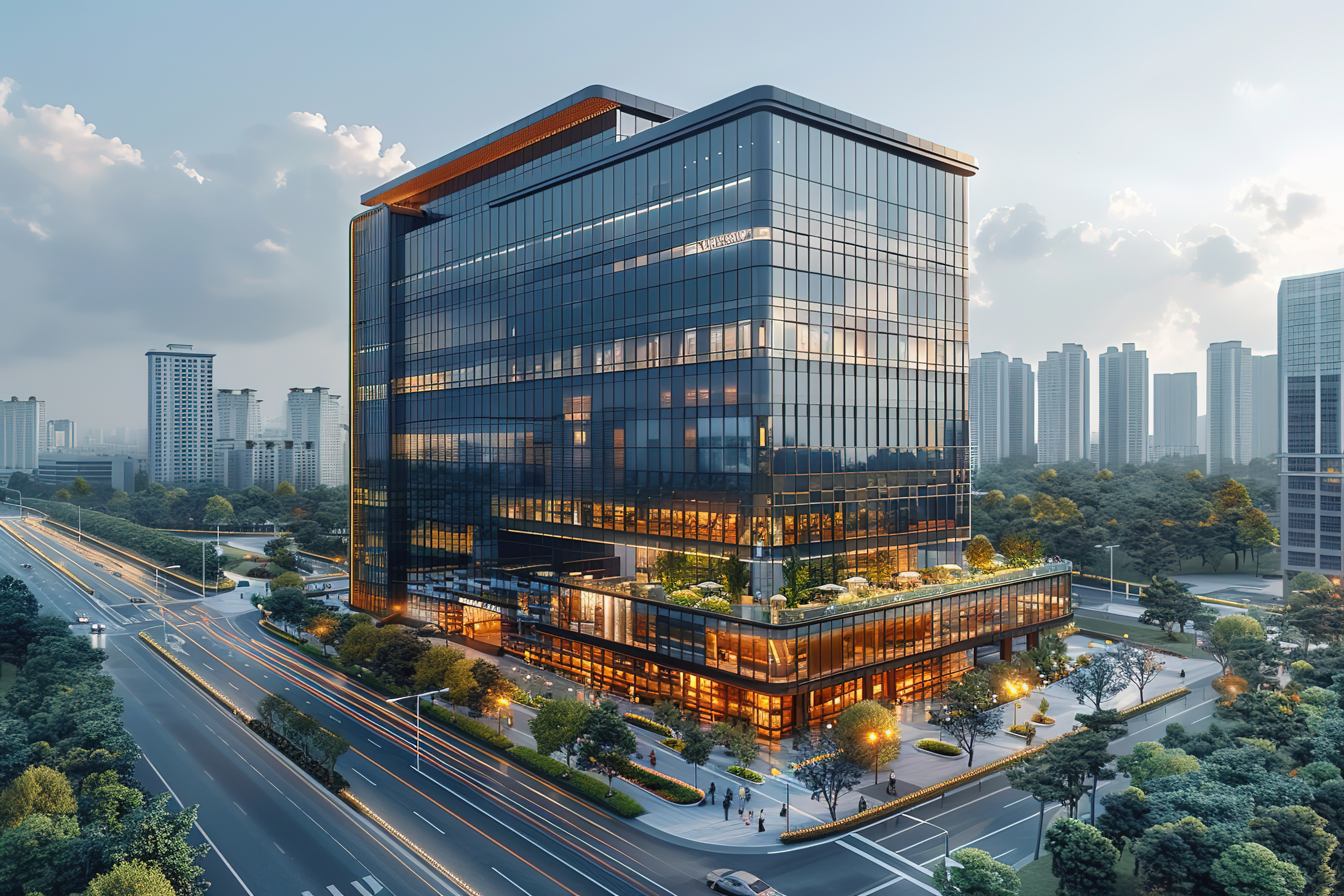
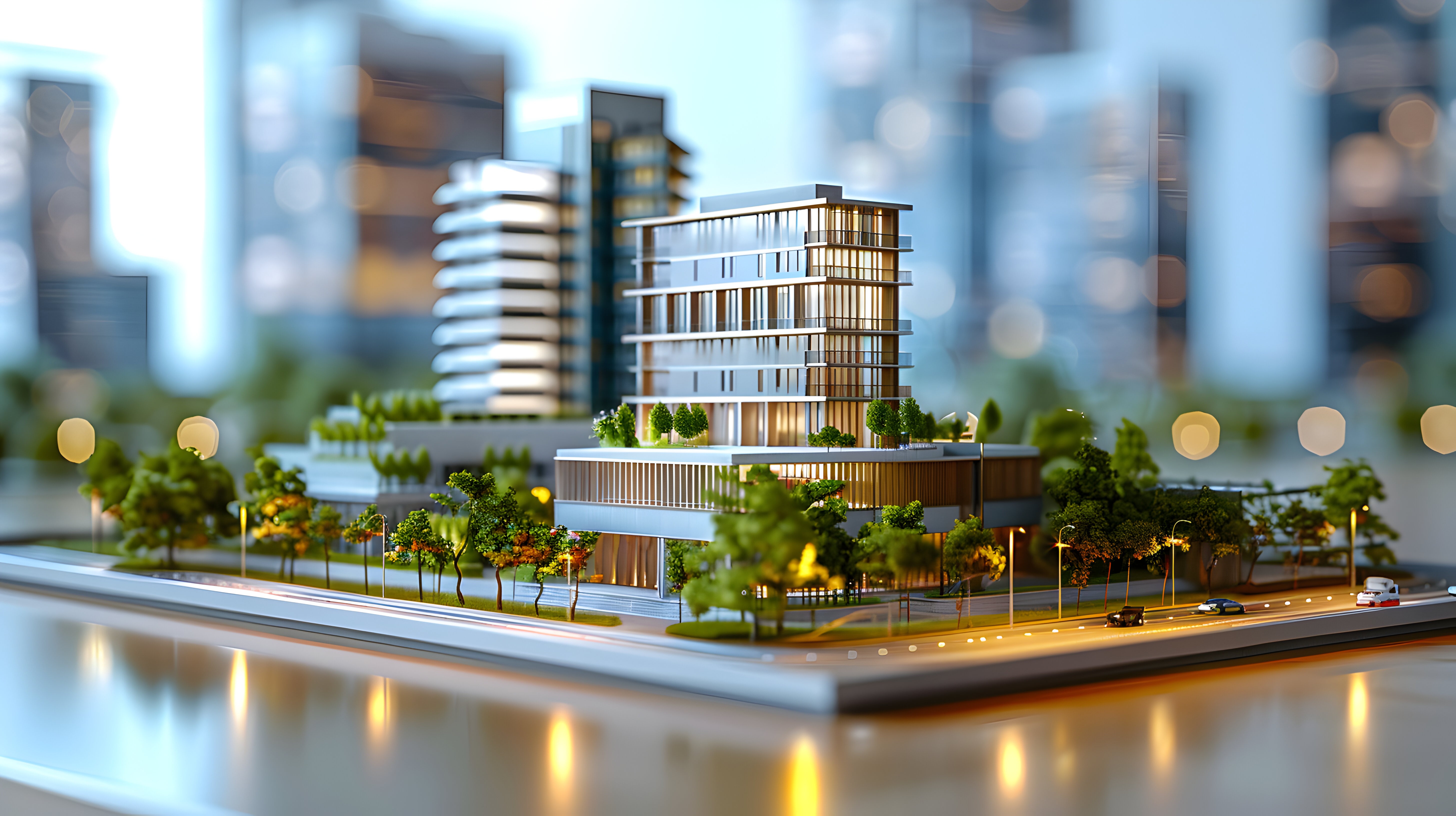
As commercial markets become more competitive, investors are shifting towards assets that offer adaptability and long-term resilience. Properties located in business districts with strong connectivity and infrastructure are gaining higher occupancy rates and better rental stability. Smart buildings equipped with automation, energy efficiency, and digital infrastructure are becoming increasingly valuable in modern commercial portfolios.
Furthermore, tenant expectations are evolving, with businesses seeking spaces that enhance productivity and employee experience. This has led to increased demand for flexible leasing options, co-working environments, and wellness-focused office spaces. Investors who align with these trends and focus on high-demand sectors are better positioned to achieve sustainable returns and long-term growth.
Smart Investment Moves:
Invest in high-demand business locations
Focus on flexible and hybrid workspace models
Prioritize tech-enabled smart buildings
Target logistics and industrial growth sectors
Evaluate tenant demand and retention factors
Related Insights
You May Like
Explore helpful content tailored for modern buyers and investors.